Introduction
Moisture slips away easily when skin turns dry. Rough patches show up, along with that stretched sensation and bits peeling off. Shifts in temperature might trigger it, just like certain routines you follow each day. Getting older plays a role too, so does spending time outdoors under harsh conditions.
Skin struggles with dryness when its outer layer loses water faster than it can replace it. Ways to care for rough patches often depend on knowing what weakens protection against moisture loss. A closer look at routines shows certain steps help keep surface layers soft. Choices in products matter just as much as timing and frequency of application. Some ingredients pull water into the skin while others seal it in. Results show up best when habits match the body’s natural rhythm. Relief comes slowly, not overnight, but consistency shifts outcomes over time. Methods that work tend to build on simple actions repeated daily. What feels gentle today might change next season without warning. Adjusting to climate or age means paying attention to small signals. Supportive care focuses less on fixing and more on maintaining steady conditions.
Understanding Dry Skin
Water slips out when protection fades. A shield lives in your skin – keeps dampness locked in, threats outside. Dry patches show up once that wall breaks down.
Frosty air often strips moisture. Scalding showers can leave skin tight and dry. Harsh soaps break down natural oils. When the air holds little water vapor, surfaces lose hydration faster. Skipping daily care steps usually makes things worse.
1. Gentle Cleansing Routine
Washing lifts grime plus sebum off the face. Still, strong washes strip away good fats, making dry patches worse.
Most mornings, a mild face wash removes dirt while keeping protection intact. Depending on how your skin feels, you might use it one or two times each day.
2. Moisturizer Application
Water levels in skin get a boost from moisturizer. Inside the layers, moisture stays put because of how it locks things in.
Once you clean the skin, that is when it goes on. Using it often helps hold moisture in while keeping irritation low.
3. Hydrating Ingredients
Moisture gets a boost from some skincare components. Take hyaluronic acid, for instance – it pulls water into the skin. Glycerin does something similar, drawing hydration where it’s needed. Then there are ceramides, which help hold that moisture in place.
Water sticks to the skin thanks to these components. Layers stay damp because of how they pull moisture in. Moisture gets pulled into deeper areas where it lingers longer. The formula works by drawing liquid inward then keeping it trapped. Skin holds on better when certain elements are part of the mix.
4. Avoiding Hot Water
Steamy showers strip away the body’s built-in moisture barrier. As a result, skin feels tighter, rougher, more itchy. Over time, that leads to red patches and discomfort between joints.
Warmth close to body temperature keeps the outer layer steady.
5. Humid Environment Use
Water escapes skin more easily when air lacks dampness. A device adding wetness indoors keeps breathing space balanced. Moisture stays put where it should because of steady misting tools nearby.
Moisture stays locked in when the air turns harsh. Winter winds can’t pull water out as fast. Skin holds on to dampness longer under cold skies. Dry months become easier to manage naturally.
6. Sunscreen Use
Out in the sun too long, skin loses its natural shield, feels tight. When rays hit, moisture slips away faster. A layer of sunscreen stands guard, blocking harsh light. Without it, cells face more strain. Protection means less roughness later on.
Daily use supports long-term skin health.
7. Exfoliation Control
Scrubbing away old skin happens when you exfoliate. Yet too much of it weakens your skin’s protection.
Peeling gently can smooth rough patches while keeping moisture levels steady.
8. Lip Care Routine
Moisture fades fast when lips feel rough. Yet a smear of balm each day keeps them soft. Sometimes just once is enough.
This supports skin hydration in sensitive areas.
9. Body Lotion Use
Some people notice dryness just on their cheeks. Others feel it creeping down arms or legs too. Moisturizer works like a shield when spread after showers. It locks in water where skin tends to tighten or peel.
After a bath, people often use it. People typically apply it once they finish washing.
10. Avoiding Harsh Products
Some skincare products contain strong chemicals that remove natural oils.
Skipping these items supports the skin’s natural defenses.
11. Oil Based Skincare
Moisture escapes less when oil-rich items are used. Because they sit atop the skin, blocking evaporation.
Built for evenings or when the air feels parched. Nighttime moments lean on them just as much as thirsty climates do. Their role shows up most where moisture runs low.
12. Water intake and hydration
From within, water helps keep skin working well by maintaining moisture levels through internal balance.
Staying hydrated supports how your skin feels day to day. A steady flow of fluids keeps it balanced from within.
13. Diet Support
What you eat plays a role in how your skin holds up. Vitamins, among other things, help keep it recovering well.
Fresh foods help skin stay steady each day. Yet without them, problems can quietly grow beneath.
14. Avoiding Over Washing
Overwashing strips natural oils from skin. As a result, it feels tighter and rougher. Moisture fades faster when washed repeatedly.
Moisture stays steady when you wash just right.
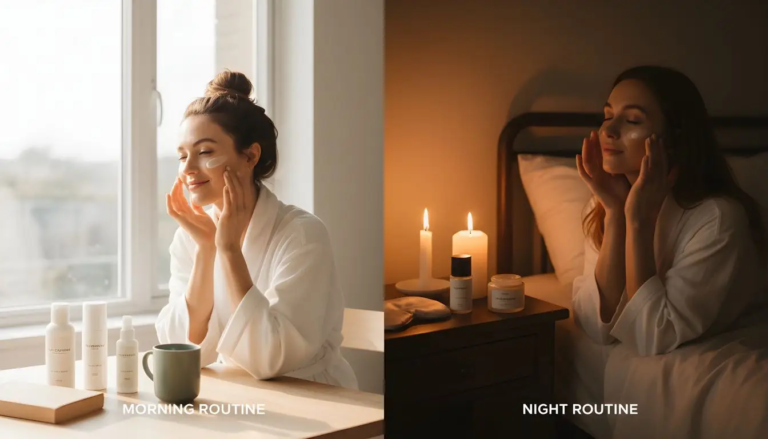
15. Night Skincare Routine
While you rest, skin fixes damage. Because of that, a cream at bedtime helps it along.
Night routines help improve hydration levels.
16. Humid Season Care
When air turns cold and loses moisture, skin tends to lose more water. Care routines might need adjusting at such times.
When skin feels off, changing products can bring it back on track.
17. Skin Barrier Repair Products
Repairing the skin barrier is the goal of certain skincare items. Moisture escapes less when these are used.
When the dryness just won’t go away, that’s when they come into play.
18. Clothing Material Choice
Fabric that feels rough might rub too hard on parched skin. On the flip side, gentle materials tend to glide without dragging.
Keeping things calm avoids upset.
19. Stress Affects Skin Health
When stress hits, skin might lose its natural hydration. Sometimes tension shows up as a shift in how skin behaves day to day.
Managing stress supports skin health.
20. Consistency in Routine
Moisture fades fast when gaps appear in daily habits. Without steady attention, results start slipping away.
Staying steady keeps your body moist over time.
Conclusion
Some people notice their skin feels tight because it loses water too easily. When the outer layer weakens, small cracks may form that let moisture escape. Using mild cleansers instead of harsh soaps keeps irritation low. Moisturizing regularly builds protection while locking in dampness. Drinking enough fluids supports this process from within. Sticking to a daily pattern strengthens results without sudden shifts. Over weeks, rough patches tend to fade when steps stay steady.