Introduction
Some parts of the skin might look darker or lighter than others. Patches show up on the face or elsewhere, changing how things feel too. Sunlight plays a role when spots form after long days outside. Old pimples leave behind marks that shift pigmentation slowly. Inflammation creeps in and alters surface shade without warning. Hormones rise or fall, prompting shifts beneath the outer layer. A cut or scrape sometimes leads to uneven results later.
Besides knowing how color forms in skin, fixing patchy tone means paying attention to surface turnover along with routine choices. Because results depend on consistent steps, what follows covers real-world tactics found across skin consultations.
Uneven Skin Tone Explained
Darkness of skin depends on how much melanin your body makes. If that pigment spreads unevenly, some spots show up more pale or deeper in color. Patches appear across the surface because of these shifts.
Pigmentation shifts often come from irritation, sunlight, or harm to the skin. When cells react, color can spread unevenly across areas. Some changes show up after long days outside. Others follow redness or wounds healing slowly. Uneven tone might linger without clear cause at first glance.
1. Sunscreen Use
Protection from sunlight plays a key role when dealing with blotchy complexion. When skin meets rays, pigment activity rises – this often darkens irregular areas.
Wearing sunscreen every day keeps extra dark spots from forming while helping your skin stay steady. Morning light, even through windows, can shift tone – protection softens that effect. A smooth routine beats reacting later when patches appear. Consistent coverage doesn’t just block rays; it steadies how skin responds over time. Without it, small shifts pile up under quiet exposure.
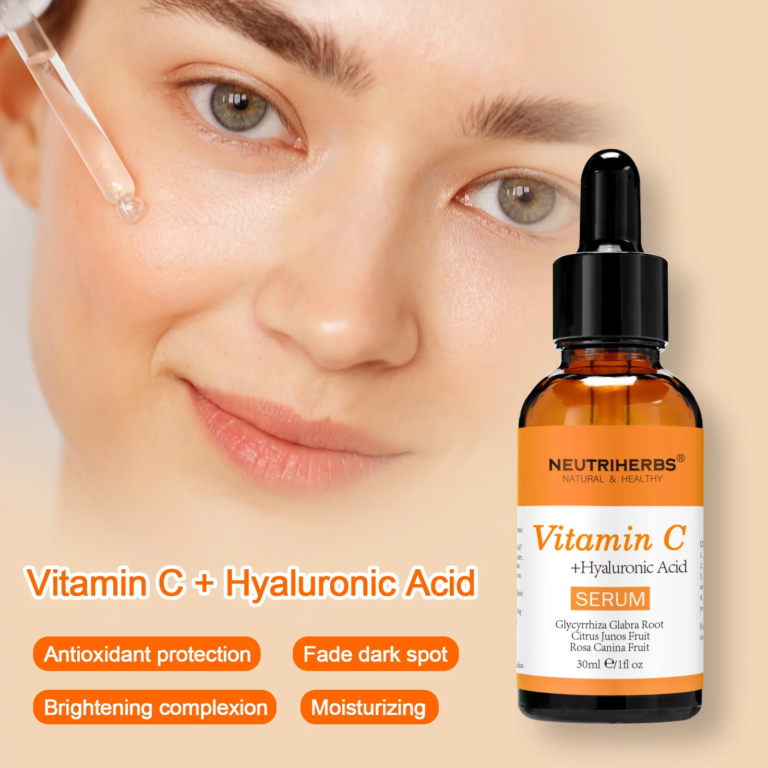
2. Vitamin C Treatment
From time to time, vitamin C plays a role in slowing down how much pigment the skin makes. Because of this, it can gently guide uneven areas toward more even coloring. Renewal processes often move forward when it’s part of a routine. Skin may shift subtly over weeks, simply by its presence.
Most people choose it as a serum, using it every day without fail.
3. Niacinamide Treatment
From time to time, niacinamide steps in to slow how much melanin moves between skin cells. This shift often leads to a balanced look in skin tone.
Found in lotions along with some facial oils.
4. Retinoid Treatment
Older skin cells fade faster when retinoids speed up renewal. Because of this change, fresh cells gradually take the place of darker ones.
At night, people often include them in their skin care steps.
5. Chemical Peels
Peeling happens when a solution touches the skin, lifting off the topmost layer. Though gentle, it changes how texture feels by evening things out.
Most take place inside skin doctor offices.
6. Alpha Arbutin Treatment
Dark spots fade when alpha arbutin slows pigment production. Skincare formulas include it to manage uneven skin tone.
Over time things get better when done often.
7. Kojic Acid Treatment
From time to time, pigmentation slows when kojic acid steps in. Products like lotions or liquids often carry it inside.
Apply it where needed.
8. Azelaic Acid Treatment
Found in some skincare products, azelaic acid fades dark spots by slowing pigment production. Besides evening out tone, it clears clogged pores that lead to breakouts. This ingredient tackles leftover marks from pimples while boosting cell turnover gently over time.
Built gently enough for delicate complexions. Skin that reacts easily tends to accept it without protest. Fine shifts happen where harsher choices fail. Softness stays protected through daily routines.
9. Microdermabrasion
A rough tool scrapes away the topmost skin during microdermabrasion. This process can leave the face looking more even. While it does not go deep, results often show quickly on the surface. Tiny changes add up when done regularly. Skin feels smoother afterward, though effects differ from person to person. Some notice brightness others do not.
Done inside clinics. Sometimes handled where doctors work. Carried out under medical supervision. Takes place within health centers. Performed at treatment facilities.
10. Laser Treatment
Pigmentation fades when laser beams reach melanin below the surface. Because energy disperses carefully, damaged cells clear while new ones grow underneath.
Dark spots stick around? This helps even things out over time. Skin looks patchy – consistent use smooths the overall tone. Works on areas that never seem to fade, day after day.
11. Sun Protection Habits
Shade helps cut UV rays, just like a hat – sunscreen works better when paired with these. A wide-brimmed hat blocks overhead light while shadowed areas lower skin risk. Protection adds up without needing extra lotion.
This helps control pigmentation changes.
12. Gentle Cleansing Routine
Starting fresh helps lift away grime plus excess sebum while keeping the protective layer intact. When redness acts up, blotchiness often follows close behind.
Pure skin stays steady when cleaned the same way every time.
13. Avoiding Skin Picking
Start touching a pimple, skin might darken after it heals. That mark left behind? It shows up when healing goes off track.
Skipping this habit helps prevent patchy color results.
14. Hydration Support
Moisture inside your body keeps skin working right. When levels stay steady, healing happens easier.
Hydration supports skin renewal process.
15. Balanced Diet
Fresh foods feed the skin from within. Because cells rebuild better when they get the right building blocks.
Balanced food intake supports normal skin function.
16. Stress Management
When stress rises, hormones shift – skin often reacts soon after. A change in mood may bring changes on the face too.
Managing stress supports skin stability.
17. Sleep Routine
When night comes, skin heals itself better. Missing regular rest throws off how skin fixes damage.
Consistent sleep improves skin condition.
18. Consistent Skincare Routine
Most days, a steady routine makes a difference. For creams and serums, patience shapes what happens next.
Showing up every time shapes progress more than big efforts ever could.
19. Professional Guidance
Before treating it, specialists figure out what’s behind blotchy complexion. Skin experts trace uneven coloration to its source first.
Getting it right means treatment can follow a clearer path.
20. Long Term Care Approach
Change comes slow when it’s about uneven skin. The body needs weeks to renew skin cells.
Over time, care helps small gains grow. Slow progress shows up when support stays steady.
Conclusion
Dark spots happen when pigment levels shift across the face. Sun protection shields the surface while creams work into deeper layers. Some people visit specialists for treatments that go beyond daily steps. Over weeks, steady habits gently guide tone toward evenness. Time plus patience shapes how well changes take hold.