Introduction
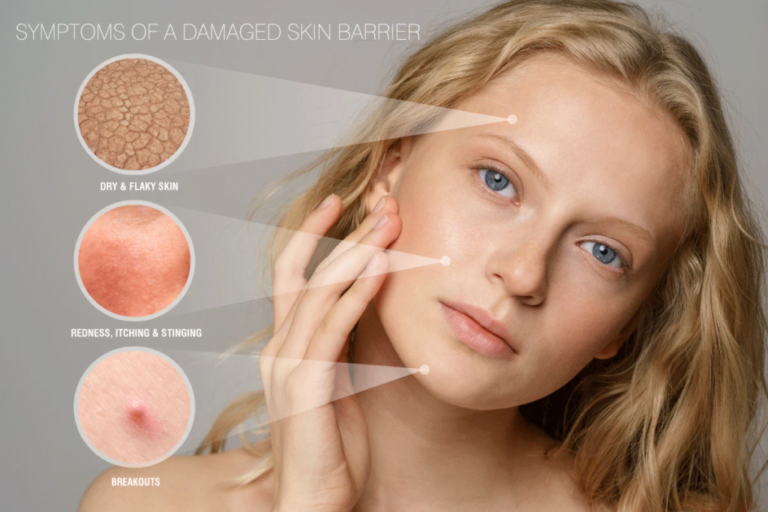
The skin barrier is the outer layer of the skin that protects the body from external factors such as bacteria, pollution, and moisture loss. When this barrier is damaged, the skin may show dryness, irritation, redness, and sensitivity.
Repairing the skin barrier requires restoring its structure and reducing factors that cause damage. This article explains how skin barrier damage occurs and how it can be repaired using skincare methods and daily habits.
Understanding the Skin Barrier
The skin barrier is made of skin cells and lipids that work together to hold moisture and protect the body. It is also known as the stratum corneum.
When this layer is intact, it prevents water loss and blocks harmful substances. When damaged, moisture escapes and irritants enter the skin more easily.
Causes of Skin Barrier Damage
Several factors can damage the skin barrier:
- Overwashing the skin
- Using harsh cleansers
- Over-exfoliation
- Excessive sun exposure
- Using strong active ingredients without balance
- Environmental pollution
- Lack of moisturization
These factors weaken the structure of the skin barrier over time.
1. Stop Over-Cleansing
Cleansing removes dirt and oil from the skin. However, excessive cleansing removes natural oils needed for barrier protection.
Reducing cleansing frequency helps the skin recover its natural balance.
2. Use Mild Cleansers
Mild cleansers help clean the skin without removing essential oils. They support barrier recovery by maintaining moisture balance.
They are used once or twice daily depending on skin condition.
3. Pause Strong Active Ingredients
Ingredients such as retinoids, exfoliating acids, and strong acne treatments can stress the skin barrier when overused.
Temporarily stopping these products allows skin recovery.
4. Apply Moisturizer Regularly
Moisturizers help restore lipid layers in the skin. They reduce water loss and support barrier repair.
They are applied after cleansing and during dryness.
5. Use Barrier Repair Ingredients
Certain ingredients help repair the skin structure:
- Ceramides support lipid structure
- Cholesterol supports skin barrier balance
- Fatty acids help restore moisture retention
These ingredients help rebuild damaged areas.
6. Avoid Hot Water
Hot water removes natural oils from the skin. This weakens the barrier further.
Using lukewarm water supports recovery.
7. Reduce Exfoliation
Exfoliation removes dead skin cells, but excessive exfoliation damages the barrier.
Limiting exfoliation helps skin rebuild itself.
8. Apply Sunscreen Daily
UV exposure damages skin cells and slows repair. Sunscreen helps protect skin during recovery.
Daily use supports healing process.
9. Avoid Friction on Skin
Rubbing skin with towels or rough fabrics increases irritation.
Gentle handling helps prevent further damage.
10. Keep Skincare Routine Simple
Using too many products can overload damaged skin. A simple routine reduces irritation.
Basic steps include cleansing, moisturizing, and sun protection.
11. Maintain Hydration
Water intake supports skin function from inside the body. Hydration helps maintain moisture levels.
This supports barrier repair process.
12. Use Humid Environment
Low humidity increases water loss from skin. A humid environment helps maintain moisture.
This supports recovery in dry conditions.
13. Avoid Picking Skin
Picking or scratching damaged skin increases inflammation.
Allowing skin to heal naturally supports barrier repair.
14. Reduce Exposure to Irritants
Chemicals, pollution, and allergens can worsen skin damage.
Reducing exposure helps protect healing skin.
15. Support Sleep Routine
Sleep supports skin repair processes. During sleep, skin cells regenerate.
Regular sleep improves recovery rate.
16. Balanced Diet Support
Nutrients support skin structure and healing. Protein, vitamins, and minerals help skin regeneration.
Balanced diet supports barrier function.
17. Avoid Frequent Product Switching
Changing products frequently prevents skin from adjusting.
Consistency supports recovery process.
18. Use Oil-Based Products if Needed
Oil-based products help reduce water loss from skin.
They form a protective layer on the surface.
19. Monitor Skin Response
Skin condition changes during recovery. Monitoring helps adjust routine.
This helps avoid further damage.
20. Long-Term Repair Approach
Skin barrier repair takes time. The process depends on skin condition and routine consistency.
Continuous care supports long-term recovery.
Conclusion
A damaged skin barrier affects moisture balance and skin protection. Repair requires reducing irritants, using gentle skincare, and supporting skin structure. Consistent routine and simple habits help restore barrier function over time.