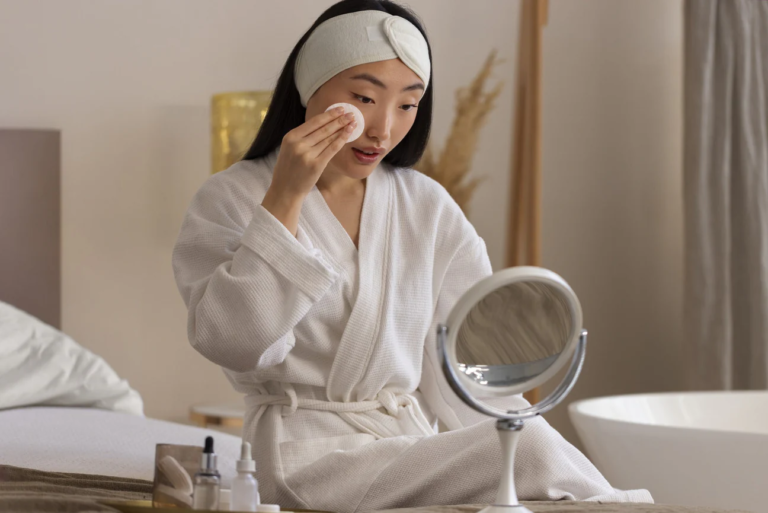
Pimples show up a lot in teens, sometimes stick around into adulthood too. Oil mixing with old skin bits clogs tiny holes where hairs grow, traps germs inside along the way. Spots pop up places like cheeks, throat area, upper body parts including behind. Some bottles promise quick fixes yet real progress means knowing what triggers flare-ups while sticking to daily habits that help.
This guide walks through real acne solutions shown to make a difference, sharing what helps stop flare-ups before they start plus steps to shape your routine. Ways to manage breakouts come clear when looking at results people see, layering one habit after another until balance returns. Each method fits differently depending on skin type, yet consistency tends to matter most across the board.
Understanding Acne
Pores get blocked. That is how acne starts. Oil builds up inside them. Bacteria join the mix at times. Dead skin cells pile in too. Hormones sometimes speed things along
- Excess oil production
- Dead skin cell buildup
- Bacterial growth
- Hormonal fluctuations
- Genetics
- Certain medications
- Stress
- Poor skincare habits
Acne can take different forms, including:
- Whiteheads
- Blackheads
- Papules
- Pustules
- Nodules
- Cysts
Some breakouts need one kind of care, while others respond better to a separate method.
Treating acne early helps prevent long-term skin issues
Getting care fast makes a difference
- Reduce inflammation
- Prevent new breakouts
- Minimize scarring
- Improve skin texture
- Support skin health
- Reduce discoloration after breakouts
Patches left alone might grow worse, boosting chances of lasting spots. When ignored, flare-ups tend to deepen instead of fade.
Effective acne treatments that deliver results
1. Salicylic Acid
Bursting through clogged openings, salicylic acid dives deep where it clears out extra grease along with worn outer layers. While slipping into tight spaces, this compound gently lifts away gunk while brushing off old surface bits. Through slow movement inside, it breaks down grime together with sluggish flakes stuck below.
Benefits
- Unclogs pores
- Reduces blackheads
- Reduces whiteheads
- Controls excess oil
- Supports smoother skin texture
How to Use
Salicylic acid is commonly found in:
- Cleansers
- Toners
- Serums
- Spot treatments
Follow the directions on the label while watching how your skin reacts. Pay attention to changes as you go along. Notice any shifts after each application. Adjust if needed based on what you see. Stick close to the guidelines provided originally.
2. Benzoyl Peroxide
Breaking down germs that cause breakouts, benzoyl peroxide also calms redness. Inflamed skin sees less irritation when this ingredient goes to work.
Benefits
- Reduces bacterial growth
- Helps clear inflamed acne
- Prevents future breakouts
- Supports pore cleanliness
Available Strengths
- 2.5%
- 5%
- 10%
Some milder options work just as well while being gentler on the skin.
3. Retinoids
Retinoids are vitamin A derivatives used for acne management.
Common options include:
- Adapalene
- Tretinoin
- Tazarotene
Benefits
- Promotes cell turnover
- Prevents clogged pores
- Reduces acne lesions
- Supports smoother skin texture
- Helps manage post-acne marks
Most people notice changes only after using retinoids for a few weeks without skipping applications.
4. Niacinamide
Found in many acne-focused products, niacinamide belongs to the vitamin B3 family. Often included in daily regimens, it plays a role people recognize without always knowing why. This ingredient shows up where clarity and balance matter most on the face.
Benefits
- Oil levels stay balanced with its help
- Supports skin barrier function
- Reduces redness
- Supports skin recovery
- Helps improve uneven tone
Most acne-fighting components pair smoothly alongside niacinamide. It fits into routines without clashing.
5. Azelaic Acid
Azelaic acid offers multiple benefits for acne-prone skin.
Benefits
- Reduces inflammation
- Helps unclog pores
- Supports even skin tone
- Helps reduce acne marks
- Controls bacterial activity
Some folks mix azelaic acid into their routine while also using different acne products at the same time.
6. Sulfur Treatments
Burning stuff once helped clear skin blemishes long ago.
Benefits
- Absorbs excess oil
- Helps remove impurities
- Reduces clogged pores
- Supports breakout control
Folks often see sulfur hiding in face masks or zipping through spot fixes.
7. Clay Masks
Oil and gunk vanish when clay wraps touch the face. Clay pulls out grime while soaking up extra shine.
Common types include:
- Kaolin clay
- Bentonite clay
Benefits
- Absorbs oil
- Reduces pore congestion
- Supports skin cleanliness
- Helps manage shine
A single session each week, sometimes two, could help keep breakouts in check when using a clay-based face treatment. Clay masks might play a role in handling blemishes if applied on a regular but spaced-out basis.
8. Chemical Exfoliation
Dead skin cells can block pores, but chemical exfoliants clear them away. Chemicals break down old layers so they do not stick around. Pores stay open when these agents dissolve buildup slowly. The process works beneath the surface where rubbing does not reach. Over time, regular use keeps texture smoother than before.
Common exfoliating acids include:
- Salicylic acid
- Glycolic acid
- Lactic acid
Benefits
- Improves skin texture
- Reduces pore blockage
- Supports cell turnover
- Helps reduce blemishes
Too much use can cause discomfort, so it helps to go easy.
9. Prescription Acne Treatments
When acne gets worse, a doctor might suggest stronger treatments. Some cases need medication that only comes with a note from a healthcare provider.
Prescription Retinoids
They hit harder compared to what you find on drugstore shelves.
Topical Antibiotics
Stopping bacteria from spreading helps calm swelling. A cleaner area means less irritation over time.
Oral Antibiotics
When breakouts spread wide or turn red and swollen, this comes into play.
Hormonal Treatments
Some individuals benefit from hormone-regulating medications.
Professional guidance is important when using prescription treatments.
10. Professional Acne Procedures
Dermatology clinics offer treatments for persistent acne.
Chemical Peels
Peeling away layers happens when chemicals lift off dead cells, making room for fresh growth underneath. Freshness returns because old residue gets cleared out by reactive solutions applied gently each time.
Light Therapy
Some light therapies go after the germs that trigger breakouts.
Laser Procedures
Some people notice fewer breakouts after using laser therapy. Skin often feels smoother over time when this method is applied regularly.
Extraction Procedures
Pore blockages get cleared without risk when handled by trained hands.
Creating a Daily Skin Care Plan for Acne
Morning Routine
Gentle Cleanser
Use a cleanser designed for acne-prone skin.
Treatment Product
Apply ingredients such as:
- Niacinamide
- Salicylic acid
- Azelaic acid
Moisturizer
Water inside the body helps skin stay strong against irritants. When cells hold enough fluid, they resist discomfort better.
Sunscreen
Most days, slathering on sunscreen shields the skin while fading dark marks left by breakouts.
Evening Routine
Cleanser
Start by wiping away grease, grime, then anything greasy like sunblock. Finish when the surface looks clean.
Treatment Step
Apply acne treatment products such as:
- Retinoids
- Benzoyl peroxide
- Azelaic acid
Moisturizer
Wrap up by drinking water so your body can heal.
Acne Helping Ingredients
Several skincare ingredients have shown benefits for acne-prone skin.
Zinc
Keeps skin steady while taming irritation. One moment it soothes, the next it balances. Not loud, just there – doing its quiet work beneath the surface.
Green Tea Extract
May assist with oil management.
Centella Asiatica
Smooth relief comes through gentle care. Healing follows when the body feels safe. Comfort shows up quietly, like a quiet pause.
Ceramides
Help maintain barrier function.
Hyaluronic Acid
Keeps skin moist while staying clear of clogged pores.
Common Acne Treatment Mistakes
Too Many Products Being Used
Too many treatments at once might stress the skin out. Sometimes it reacts badly when overloaded.
Skipping Moisturizer
Moisture matters even when breakouts happen.
Picking Pimples
Pimple squeezing might lead to more swelling, along with lasting marks on the skin.
Inconsistent Treatment
Most people see changes only after sticking with acne products every day. Skipping days slows progress, so consistency matters more than quick fixes. Results show up slowly, but daily effort makes a difference over time.
Ignoring Sunscreen
When skin gets too much sun, those leftover spots might get darker. Light that comes from daytime skies tends to deepen uneven tones left behind by breakouts.
Lifestyle Choices Affecting Acne
Maintain Consistent Sleep
Sleep supports skin recovery processes.
Manage Stress
Bursts of tension might tilt body chemistry just enough to spark skin flare-ups.
Clean Personal Items
Regularly clean:
- Pillowcases
- Towels
- Makeup brushes
- Mobile phones
Avoid Too Much Face Touching
Pollen sticks to fingers after touching flowers. Dust travels on palms when cleaning shelves. Sweat carries particles across cheeks during workouts. Grime moves from keyboards onto faces at desks. Oils spread from hair to forehead through frequent touches.
Stay Hydrated
Besides keeping your insides running smooth, water helps skin stay resilient. A steady supply quietly backs daily operations while also shielding outer layers.
Foods and Acne
Still looking into how food might affect breakouts.
Some individuals notice breakouts associated with:
- High sugar intake
- Highly processed foods
- Certain dairy products
Noticing what you eat along with shifts in your skin could reveal patterns unique to you.
Acne Scars and Post Acne Marks
Once breakouts fade, spots can stick around.
Post-Inflammatory Hyperpigmentation
Once the redness fades, shadowy patches sometimes show up. These marks linger where swelling used to be. Where healing finishes, subtle discolorations may remain. After irritation calms down, dull blemishes can take its place.
Helpful treatments include:
- Azelaic acid
- Retinoids
- Sunscreen
- Niacinamide
Acne Scars
Scars may require professional treatments such as:
- Microneedling
- Laser procedures
- Chemical peels
Starting early with acne care lowers chances of scars later. Though timing matters, acting fast makes a difference down the line.
Acne Treatment Time Frames?
Some see changes fast, others take longer – it really hinges on how intense things are plus what path care takes.
Approximate Timelines
- Salicylic acid: 4–8 weeks
- Benzoyl peroxide: 4–6 weeks
- Retinoids: 8–12 weeks
- Azelaic acid: 8–12 weeks
- Professional treatments: Varies by procedure
Sticking with it matters – slow progress shows when you keep going. Treatment works better if pauses stay rare. Each day builds on the last one, even when nothing feels different.
How Different Acne Treatments Work
What works well comes down to many things
Mild Acne
May respond to:
- Salicylic acid
- Benzoyl peroxide
- Gentle cleansing
Moderate Acne
May benefit from:
- Retinoids
- Azelaic acid
- Combination therapies
Severe Acne
Most times a doctor needs to step in before any meds are given. Prescription plans usually follow only after close review by someone trained.
Signs You Might Need a Skin Check
Consider professional evaluation if:
- Acne becomes painful
- Scarring develops
- Over-the-counter treatments fail
- Large cysts appear
- Breakouts affect daily life
Starting with your skin type, a dermatologist shapes care that fits only you. One step at a time, they adjust methods where needed. Because every person shows different reactions, choices get fine-tuned along the way. With close attention to changes, progress moves steadily forward. From start to finish, the path stays personal.
Long-Term Acne Management
Acne management often requires ongoing maintenance.
Long-term success typically involves:
- Consistent skincare
- Appropriate treatment products
- Daily sunscreen use
- Healthy lifestyle habits
- Monitoring skin changes
Over time, tiny upgrades stick and tend to bring strongest results.
Conclusion
Most effective acne solutions target what triggers flare-ups deep within the skin. Salicylic acid works alongside benzoyl peroxide to clear pores while retinoids speed up cell turnover. Niacinamide steps in to calm redness, whereas azelaic acid tackles discoloration and irritation. For stubborn outbreaks, expert-led therapies might add extra benefit. A basic daily pattern – gentle cleansing, smart product choices, steady timing – keeps defenses strong. Skin thrives when routines stay predictable, not aggressive. Lasting clarity comes more from patience than powerful potions. What matters most? Regular attention, suited ingredients, balanced practices.