Introduction
Pores get clogged with oil, dead skin, along with bacteria – that’s how acne begins. Before spots show up, changes are already happening beneath the surface. Stopping it starts by managing what causes those blockages and irritation. Most tend to react once breakouts happen, yet taking steps earlier might lower how often they come and how bad they get.
Stopping breakouts begins with how you treat your skin every day – small choices adding up over time. A consistent routine shapes results more than any single product ever could. Choices like what you eat, when you sleep, even how often you touch your face play quiet roles behind the scenes. Dermatologists point to patterns that protect rather than repair. Prevention lives in repetition, not rescue missions. Habits built slowly tend to stick longer than sudden fixes forced overnight. Skin thrives on balance, not extreme measures. What works usually feels simple once it becomes normal.
How Acne Starts in the Beginning
Pores start changing deep under the surface long before spots appear. The skin makes oil called sebum, which normally keeps moisture locked in. Too much oil? It sticks to leftover skin flakes instead of washing away. That gunk clogs tiny openings where hairs grow. Trapped bacteria multiply once those passages shut down, sparking redness and swelling.
Stopping breakouts means managing grease on skin, clearing blocked openings, while slowing germs that thrive there.
1. Clean Skin Routine
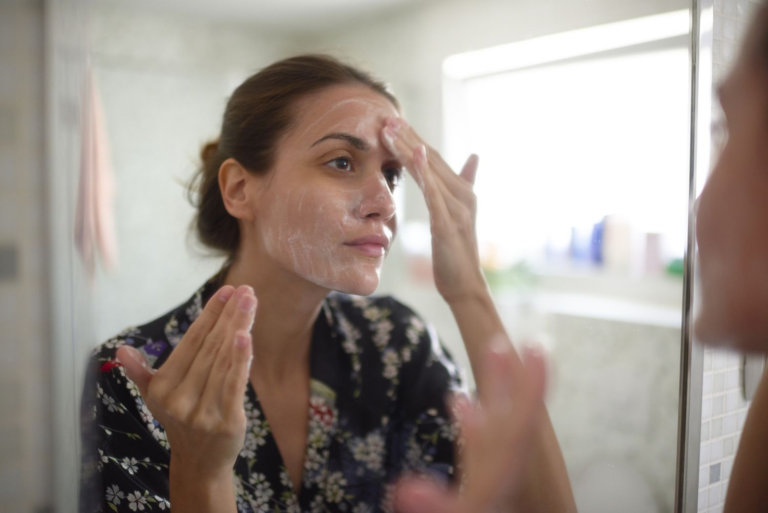
Most folks wash their faces twice a day because it clears away gunk before things get clogged. Overnight, the skin makes oils – that layer needs washing off when you wake. During daylight hours, grime sticks to your face from outside air plus everyday contact. At nightfall, rinsing helps pull out what piled on while moving through spaces. Each morning pass wipes fresh buildup; each evening round sweeps late arrivals.
Too much washing might leave skin feeling raw while boosting grease levels. Sticking to a steady cleanse rhythm keeps your complexion on track.
2. Choose a Mild Face Wash
Most mornings start with a wash. A mild face wash clears dirt while keeping the protective layer intact. Rough formulas take away essential moisture, which might push the skin to make more oil. When that happens, pores tend to clog more easily.
Picking the right face wash for your skin keeps things steady, while also cutting down on breakouts.
3. Avoid Frequent Face Touching
Bacteria ride on hands, along with everyday grime. When fingers meet face, those tiny hitchhikers jump across. Clogged openings follow, sometimes sparking redness or swelling. Pores suffer silently under the load.
Picking at your face less means fewer breakouts tend to show up. Touching it often can invite spots where you least want them.
4. Keep hair clean away from face
Oil builds up in hair over time, along with leftover styling products. Touching your face with that hair moves gunk onto the skin. Pores might get clogged as a result, particularly near the forehead and sides of the cheeks.
Washing hair often means less grease touches the face. When pulled away from the forehead, strands stay clear of pores. Clean roots cut down on buildup near cheeks. Tied styles keep locks out of the way during daily movement. Less touching happens when hair stays secured behind the head.
5. Maintain Clean Pillow Covers and Towels
Pillows soak up grease, moisture, salt from skin, tiny flakes of flesh over time. As your cheek presses into that fabric each night, germs move across like stepping stones.
Pillow cases and bath linens changed often mean fewer germs stick around. A fresh swap every few days keeps unseen visitors down.
6. Use Non-Comedogenic Products
Pores stay clear when using items made to avoid congestion. Some lotions or makeup include substances, yet they tend to fill up skin openings instead.
Spotting what’s on a label can stop breakouts before they begin.
7. Manage Oil Production
Oil shows up too much when skin goes off track. Though glands make it all the time, too much clogs openings faster.
Start gentle – harsh routines strip natural oils. A soft approach keeps skin steady.
8. Maintain a Simple Skincare Routine
Some days, too many steps just upset your skin. Instead of piling on products, think about washing, then hydrating, followed by a shield against sunlight.
Sticking to one way of doing things beats switching stuff often. When your skin gets used to what it sees daily, breakouts tend to stay away. Irritation? Less likely when nothing keeps changing.
9. Avoid Heavy Makeup Use
Left too long, thick foundation clogs tiny openings in your face. Grease teams up with leftover powder, gathering old flakes underneath.
Pores stay clean when you take off makeup at night.
10. Eat a Balanced Diet
What you eat might show on your face. Too much sugar or ready-made meals could make certain people’s skin produce more grease. Eating a mix of good foods helps keep skin working right.
Foods with vitamins and minerals support normal skin function.
11. Drink Enough Water
Moisture inside the body keeps skin working right – without enough, texture shifts. When water levels drop, surface oils change too.
Regular water intake supports skin clarity and function.
12. Manage Stress Levels
When stress kicks in, chemicals shift inside you. Oil glands respond because signals from those shifts tell them to act.
When stress builds, pausing matters – simple habits like walking or sitting quietly reset the rhythm. A steady pace through days keeps things from tipping.
13. Avoid Over-Exfoliation
Scrubbing away old skin might help, yet going overboard risks harming your protection layer. When that shield weakens, flare-ups and breakouts often follow.
Now here’s a fact: gently removing dead skin keeps pores free of blockages.
14. Shield Skin Against Outside Elements
Pores might get blocked when dust mixes with dirt in the air. Humidity joins in, making things worse over time.
Once you’ve been out, washing your face keeps gunk from piling up.
15. Maintain Regular Sleep Schedule
When you do not sleep well, your body struggles to manage hormones properly. Skin healing slows down if bedtime changes every night.
When bedtime stays steady, skin tends to stay clear. Night after night of regular rest keeps breakouts less likely. Good rhythm in sleeping means fewer flare-ups. Skin repairs better if hours are predictable. Consistent patterns at night lower chances of acne.
16. Use Sunscreen Daily
When sunlight hits the skin, it might trigger redness along with swelling. Protection comes through sunscreen, which guards against harm while supporting the outer layer’s strength.
A light formula on your skin means less chance of clogged pores.
17. Avoid Squeezing or Picking at Skin
Poking at pimples when they first show up? That makes swelling worse. Spreading germs around the skin happens too, just by pressing on them.
Healing happens on its own when the skin gets left alone.
18. Clean Mobile Phone Screen
Bacteria stick around because phones meet your skin often. Oil builds up on glass since it’s always pressing against cheeks.
Bacteria move less often to skin when cleaning happens routinely. A steady routine keeps germs from spreading easily.
19. Exercise and skin care balance
Working out boosts blood flow while helping the skin do its job. Yet when moisture from activity meets natural grease, blockages might form deep inside.
Perspiration lingers, so a rinse cleans it off. Sweating leaves residue behind – water washes that away. Skin holds traces post-workout; soap clears them. Moisture stays on surfaces until wiped down with care. After movement, grime clings unless flushed by water.
20. Watch for skin changes early
Bumps show up first, then the face gets shinier as oil production ticks upward. When skin feels different under your fingers, that’s a clue something is shifting. Spotting these shifts early means changing habits while there is still time. What comes next depends on how fast you notice.
Stopping issues early keeps them from turning into noticeable breakouts.
Conclusion
Waking up to clear skin often ties back to what you do every single day. Rinsing your face gently each morning sets a quiet tone for healthier texture later. Skip lotions that smother pores like heavy blankets in summer. Instead choose lightweight formulas that let skin breathe through the hours. When routines stay steady – no skipping steps – the chances of surprise zits go down. Balance shows up not in quick fixes but in repeated choices. Over time those small moves add up to fewer flare-ups without drama.