Introduction
Lately, more folks pay attention to how they treat their skin – no matter the age group. When breakouts pop up, or marks linger too long, some look for smoother texture, less grease on their face, just better balance overall. Solutions exist by the handful these days, showing up in different shapes and styles. Some come from experts’ offices, others fit right into daily routines at home.
It really comes down to what your skin needs. Home care fits some lives better, whereas clinic visits suit those wanting stronger treatments. Each path works differently for different folks. Results? They hinge on how serious the issue is, what you hope to achieve, money matters too, plus sticking with it every day. Not one size fits all here.
Most people notice changes when they compare clinic visits to routines done daily. A closer look shows office procedures often reach deeper layers while home care builds steady habits. Some steps deliver quick shifts yet need upkeep others prevent small issues before they grow. Each choice fits different goals depending on time access or sensitivity levels. Knowing what each approach offers helps shape choices without guesswork involved.
Understanding Skincare Treatments
From time to time, people turn to skincare routines meant to boost how their skin looks and works. These approaches can zero in on specific issues, aiming to bring balance or fix particular problems
- Acne
- Hyperpigmentation
- Uneven skin tone
- Dry skin
- Oily skin
- Fine lines
- Enlarged pores
- Rough skin texture
- Sun damage
Home care might handle certain therapies with store-bought creams. Yet advanced methods need certified experts plus tools found only in clinics.
At Home Skincare Treatments Explained?
Home skincare means using products on your own, no expert needed. Most people do these steps every day to keep their skin in check.
Most people try these skin care steps while staying home:
- Facial cleansing
- Moisturizing
- Sunscreen application
- Serums
- Toners
- Exfoliation
- Face masks
- Acne treatments
- Retinoid products
- Hydration treatments
Starting out usually happens at home since skincare fits smoothly into everyday habits. What pulls folks in first is how simple it is to get going without needing special tools or trips elsewhere.
At Home Skin Care Benefits
Convenience
Using skincare at home fits easily into daily life. There’s no need to book time slots just to apply what you already have. Your routine moves at your pace, not someone else’s clock.
Cost Control
Most skin care items for home use cost less when compared to treatments at clinics. Budget choices let anyone shape a daily routine that fits what they spend.
Daily Maintenance
Every day counts when it comes to skin. Routines at home keep things steady, offering quiet help while time passes between expert visits.
Preventive Care
Starting each day by washing your face sets a quiet foundation. Moisture follows, slipping into pores like morning light through glass. Protection arrives not with fanfare but consistency – shielding against rays that linger longer than welcome. Small steps, taken daily, often keep trouble at bay.
Long-Term Support
Little routines each day add up when it comes to keeping skin in good shape long term.
Limits of Home Skin Care
Home remedies might help, yet they fall short sometimes. Still, results depend on what you’re dealing with.
Lower Treatment Strength
Some substances meant for home care come in weaker forms than what pros use. Not every version packs the same strength found in clinics. What you buy at stores often has less punch than office-grade options. Strength drops when products shift from clinic to shelf. Less intense mixes show up in items made for personal use. Power levels go down outside medical settings.
Slower Results
Most people start seeing changes after several weeks of steady effort. A few notice shifts only once months have passed without stopping.
Limited Skin Assessment
Some folks mix up what’s really going on with their skin, so they end up choosing items that just do not fit how their skin works. Not every rash or red patch means the same thing, yet many treat them alike without thinking twice about differences underneath.
Challenges in Managing Serious Illnesses
Some issues like serious acne scarring, intense discoloration, or well-developed skin harm often need more than just at-home care can offer. Yet results tend to fall short when relying only on routines used privately. Though creams and tools help, they sometimes miss deeper layers where problems persist. For tougher conditions, improvement rarely comes fully through self-applied methods. Even consistent efforts might leave marks untouched beneath the surface.
Professional Skincare Treatments Explained?
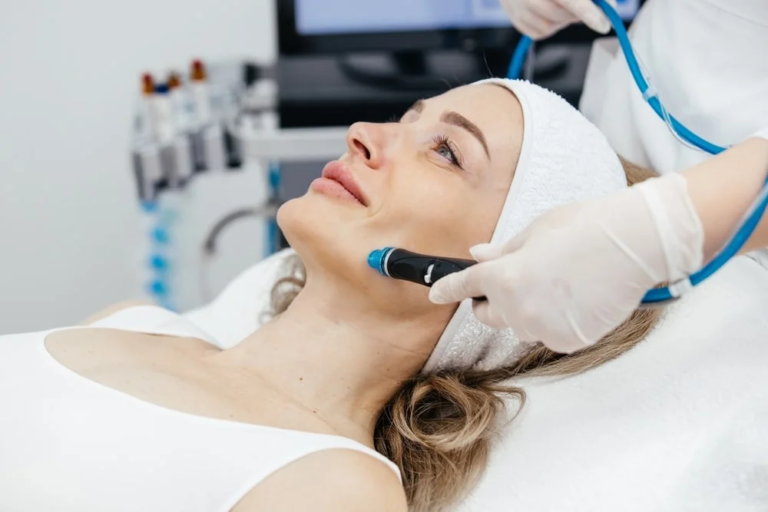
Skincare done by experts usually means a visit to someone like a dermatologist. These folks include certified aestheticians too. People who’ve had proper training handle these routines. Specialists with real experience guide each step.
Fresh tools power these sessions, alongside clinic-tested supplies plus methods built for precision. Equipment steps in where home routines fall short, guided by training that shapes every move. Results come slowly, shaped by repeat visits and careful planning behind each step.
Examples include:
- Chemical peels
- Laser treatments
- Microneedling
- Microdermabrasion
- Professional extractions
- Light therapy
- Prescription skincare treatments
- Dermatology consultations
From time to time, skin issues pop up that regular store-bought items just can’t handle. A different kind of care steps in when everyday routines fall short.
Professional Skincare Treatments Benefits
Expert Evaluation
From texture to tone, experts look closely at your skin before suggesting what might work best. Depending on how it reacts and feels, different options come into play.
Advanced Technology
Deep inside the skin, clinical tools go further than most. Because they aim right at problem areas, results often show up faster. What happens is these devices focus on one spot instead of spreading out. When precision matters, that kind of targeting makes a difference. Most home gadgets can’t match this level of reach.
Higher Strength Treatments
Professional treatments often use stronger formulations than over-the-counter products.
Faster Results
Quick results often come from certain treatments rather than daily habits done at home.
Personalized Treatment Plans
Professional care is tailored to individual skin needs.
Limits of Pro Skincare
Higher Cost
Costs add up fast if expert treatments need several visits.
Recovery Time
Healing takes time with certain therapies. Skin needs rest afterward. Recovery happens slower for some methods. Aftercare follows specific procedures. The body adjusts at its own pace sometimes.
Appointment Scheduling
Spending hours on appointments shows what proper support really needs. Sessions stretch long because attention to detail matters most.
Ongoing Maintenance Needed
Skipping everyday care means results fade, no matter the treatment. A routine at home holds gains steady. Without consistent steps, even expert work loses effect. What happens between visits matters just as much.
Professional Versus Home Acne Treatments
Bumps on the face pop up more than almost any other skin issue.
At-Home Acne Treatments
Common products include:
- Salicylic acid
- Benzoyl peroxide
- Niacinamide
- Retinoids
Over time, these items can make a difference with light or average breakouts when used regularly.
Professional Acne Treatments
Professional options include:
- Prescription medications
- Chemical peels
- Light therapy
- Acne extraction procedures
When acne gets hard to manage, doctors might try these methods instead.
Which Works Better?
Most times, light breakouts clear up with regular at-home steps. When spots get worse though, seeing a specialist while keeping up habits helps more.
Hyperpigmentation Treatment Options Compared
Hyperpigmentation develops when certain areas produce excess melanin.
At-Home Solutions
Common ingredients include:
- Vitamin C
- Niacinamide
- Alpha arbutin
- Kojic acid
- Azelaic acid
Step by step, these items help things get better over time.
Professional Solutions
Professional treatments include:
- Chemical peels
- Laser therapy
- Microneedling
These procedures target deeper pigmentation.
Which Works Better?
Some discoloration fades using everyday routines at home. Yet when it sits lower in the skin, results tend to come easier with expert help.
Comparing Treatments for Dry Skin
Moisture slips away if the outer layer of skin lacks strength. When protection weakens, hydration doesn’t stay locked in.
At-Home Treatments
Common methods include:
- Moisturizers
- Ceramide creams
- Hydrating serums
- Gentle cleansers
Professional Treatments
Possible care options involve:
- Hydration-focused facials
- Barrier repair consultations
- Specialized moisturizing procedures
Which Works Better?
Home remedies fix most dry skin issues. Yet a specialist might uncover hidden triggers behind it.
Comparing Oily Skin Treatments
Too much oil on the face happens when glands make extra sebum.
At-Home Treatments
Common products include:
- Salicylic acid
- Clay masks
- Oil-free moisturizers
- Niacinamide
Professional Treatments
Professional treatments may include:
- Chemical peels
- Extraction sessions
- Dermatology consultations
Which Works Better?
Most days, care happens where people live. Yet when help comes from trained providers, it adds another layer of backup.
Comparing Treatments for Uneven Skin Tone
Spots on the skin often show up after too much time in sunlight, or when the body reacts to irritation. Sometimes, changes in color come from how pigment forms beneath the surface. A patchy look can stick around following a rash or injury. Sunlight plays a role, but so does the way cells renew themselves over time.
At-Home Methods
- Vitamin C
- Retinoids
- Sunscreen
- Niacinamide
Professional Methods
- Laser treatments
- Chemical peels
- Microneedling
Which Works Better?
Most times, mixing expert treatments with regular care at home works well. Starting here usually beats relying on just one approach alone.
Daily Skincare Habits
Even when picking expert care options, looking after skin every day still matters most.
A basic routine includes:
Cleansing
Removes dirt, oil, and impurities.
Moisturizing
Keeps the outer layer of skin working right.
Sunscreen
Shields skin when sunlight gets harsh. Sun exposure weakens tissue without it.
Treatment Products
Address specific concerns.
Caring every day beats occasional expert steps any time of year.
Why Sunscreen Matters in Both Approaches
Sun exposure contributes to:
- Hyperpigmentation
- Uneven skin tone
- Skin damage
From clinic sessions to store-bought lotions, protection from the sun keeps outcomes on track. Sunscreen matters just as much after treatment as during. Without it, progress can fade fast. Even daily exposure adds up over time. Staying consistent makes a difference you see later. Results depend heavily on what happens afterward.
Skipping sunscreen can undo much of what treatments achieve.
Creating a Steady Way Forward
Some experts in skin care suggest using one approach alongside another. Not everyone agrees, yet mixing techniques shows results for certain people. A few prefer separate routines, still others find value when pairing them together.
A balanced strategy often includes:
Daily Home Routine
- Cleanser
- Moisturizer
- Sunscreen
- Targeted treatment products
Professional Support
- Periodic skin evaluations
- Advanced procedures when needed
- Personalized recommendations
With this mix, everyday upkeep happens alongside tackling tougher issues. A routine stays possible because heavier problems also get attention.
Common Treatment Choice Mistakes
Expecting Immediate Results
Change happens slowly when it comes to skin.
Ignoring Skin Type
Picking what works begins by understanding your skin. A fit depends on details only you know. Choices shift when routines meet reality. Skin reacts – not guesses – decide results.
Overusing Active Ingredients
Combining several treatments might upset your skin. Sometimes, layering products leads to redness or discomfort. When too many actives mix, irritation often follows. Skin can react badly if overloaded without breaks between steps.
Skipping Sunscreen
Shielding skin from sunlight helps every kind of therapy work better.
Chasing Trends Blindly
A favorite item for one person might irritate another’s skin. Different reactions happen even when everyone raves about the same thing.
Choosing Between Options
Take a moment to think about these questions:
- Targeting a specific skin issue? What’s the main challenge you’re working on?
- What level does the problem reach?
- How much money do you plan to spend?
- What amount of time fits into your day for taking care of your skin?
- Home remedies – did those come first?
Home care might fit best – that depends on what the responses reveal. Sometimes, expert support works better than going it alone. Other times, using both makes the most sense based on individual needs.
Long Term Skin Health Plan
Sticking with a routine matters more than chasing fast fixes when it comes to skin care that works.
Long-term skin health includes:
- Daily cleansing
- Moisturizing
- Sun protection
- Healthy lifestyle habits
- Regular monitoring of skin changes
Good results often come from mixing clinic visits with daily routines at home. What happens between appointments matters just as much.
Conclusion
Choosing pros over home care misses the point. Each fills its own role, sometimes better when paired. Daily upkeep happens where routines live – on bathroom counters, each morning and night. Deeper fixes come into play when skin needs more than surface attention. Together, they cover what alone might miss.