Introduction
Pores get clogged when oil mixes with old skin bits and germs. This shows up in many shapes, some mild, others worse. One kind acts unlike another, needing its own way to handle it. How each one needs help changes too.
What kind of acne you’re dealing with changes how it’s recognized, also affects which treatments might work. Details on each major form appear in this piece.
What Causes Acne
Pores get clogged because sebum from oil glands teams up with dead skin bits. Inside those clogged spots, bacteria start multiplying. Inflammation shows up once the microbes stir things up. The whole mess kicks off when too much oil meets shed skin.
What you eat might shape breakouts just as much as your DNA does. Stress levels often play a role alongside daily routines. How hormones shift inside the body matters too. Skincare choices enter the picture, sometimes quietly. Each piece connects, even if it seems separate at first glance.
1. Whiteheads
Under the skin, a clogged pore can turn into a whitehead. Closed off from air, it holds in oil along with shed skin bits.
Little bumps rise on the skin, showing up white. These spots sit just below, packed tight without breaking through.
Freckles show up a lot across cheeks, sometimes near the bridge of the nose, often scattered above the eyes too.
2. Blackheads
Pores sometimes get clogged just a little bit. Open at the top, they let outside air reach what’s stuck inside. That exposure turns the trapped stuff darker over time.
Oil trapped in pores turns dark when exposed to air, that is what creates blackheads. Not grime, just a chemical change.
Spots often show up across the forehead, plus they turn up on the chin – sometimes even along the nose.
3. Papules
Bumps that show up on the skin tend to be tiny, red, yet slightly lifted. These form because clogged openings inside the skin start reacting with irritation.
Pain might show up when you press on them. These small bumps usually look clear, not filled with gunk.
Bunches of them show up across the skin, especially around the face. Sometimes they pop up elsewhere too.
4. Pustules
Pus fills pustules, making them different from plain red spots. A white or yellow dot often shows at the core of these swollen areas.
Inside pores, infection draws white blood cells into action. These cells gather, creating small pockets of pus. Swelling follows as a natural reaction. The body fights back using its own defenses. Pus builds where trouble begins beneath skin.
Bacteria might spread when they’re mishandled, causing a burst. A break could happen if someone isn’t careful with them.
5. Nodules
Beneath the surface, nodules show up as firm swellings. These develop if clogged openings trigger intense inflammation below.
Some lumps bring pain that drags on without letting up. A slow ache sticks around longer than expected.
Buried farther within the layers of skin, these spots resist quick fixes from creams or lotions.
6. Cysts
Cystic bumps count among the tougher acne types. These swollen pockets grow quite big, hold liquid inside, sit far beneath the surface layer.
Some cysts bring pain, also leading to lasting shifts in skin texture. While uncomfortable, they sometimes alter how the surface feels over time.
Medical care usually keeps them under check.
7. Hormonal Acne
When hormones shift, acne can follow. Puberty might trigger it, so could a period or uneven hormone activity.
Breakouts often show up around the bottom part of the face, especially near the jaw and under the chin.
Besides shifting hormones, oil output climbs – this traps debris in skin openings.
8. Fungal Acne
Follicle trouble often comes from too much yeast hanging around. Unlike the kind sparked by bacteria, this one plays by different rules.
Little bumps show up, all looking much alike, sometimes bringing itchiness. These spots tend to stay consistent in size, often triggering a scratchy feeling across the skin.
Spots show up most along the upper body – chest, back, sometimes shoulders. Not always predictable where they land first. Can shift slightly depending on the person. Might favor one area over another without warning.
9. Acne Mechanica
Friction, pressure, or heat pressing against skin brings on acne mechanica. Sometimes it shows up where gear rubs during activity. Tight clothing can trigger spots over time. Heat trapped near the surface plays a role too. Movement that scrapes skin might spark irritation underneath.
Where gear presses on skin – like helmet edges or snug fabric – it often shows up.
Pore blockage might happen when pressure never lets up. Breakouts show up if skin stays compressed too long.
10. Acne Conglobata
Deep under the skin, acne conglobata shows up as large lumps tied together in clusters. These bumps often link beneath the surface, creating widespread inflammation across affected areas.
Deep swelling might follow, along with shifts in how the skin looks over time.
Someone should watch your health during care.
Acne Diagnosis by Type
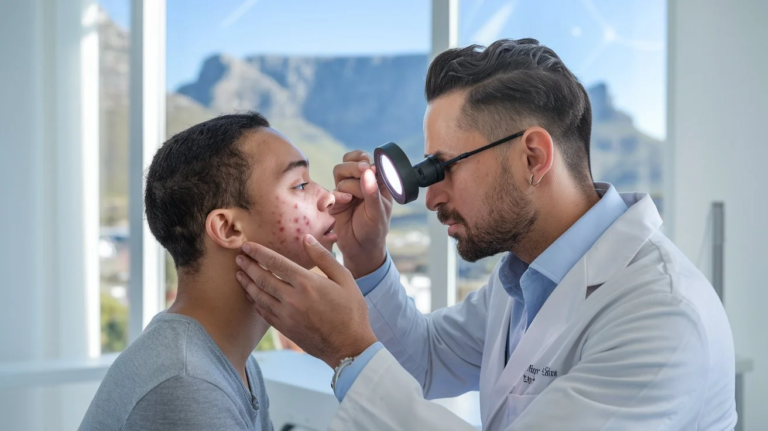
Some kinds of acne show up differently on the skin, depending on where they form and how bad they get. Looking closely, a skin doctor spots clues by studying how often blemishes appear and where they sit.
Getting it right means treatment choices actually fit. What works depends on knowing exactly what’s going on.
Treatment Depends on Acne Type
Some breakouts need one kind of care. Others improve with a separate approach. Each version acts in its own way.
Some clogged pores clear up when you use products containing salicylic acid. Others change after time with the same treatment applied directly to the skin.
Small bumps or pus-filled spots might need medicine that calms swelling or kills bacteria.
Some lumps need a doctor’s care to manage safely. Treatment might involve close watch by a professional.
Lifestyle Choices That Influence Different Kinds of Acne
Lifestyle habits can influence acne development and severity.
Oil levels shift when food choices change. Nighttime rest shapes how skin behaves. Pressure from daily life tweaks the balance too. Clean habits play a role as well.
Small routines every day lower chances of breakouts. What matters most is doing them without stopping.
Conclusion
Some breakouts look one way; others show up totally different – each has its own reason for forming. Spotting the differences makes it easier to know what you’re dealing with, along with which steps might help. Good cleansing routines matter, but so does daily routine balance and advice from a health professional. Over weeks or months, mixing those pieces can shift how skin behaves.